
PROVEN TO BE MORE AERODYNAMIC
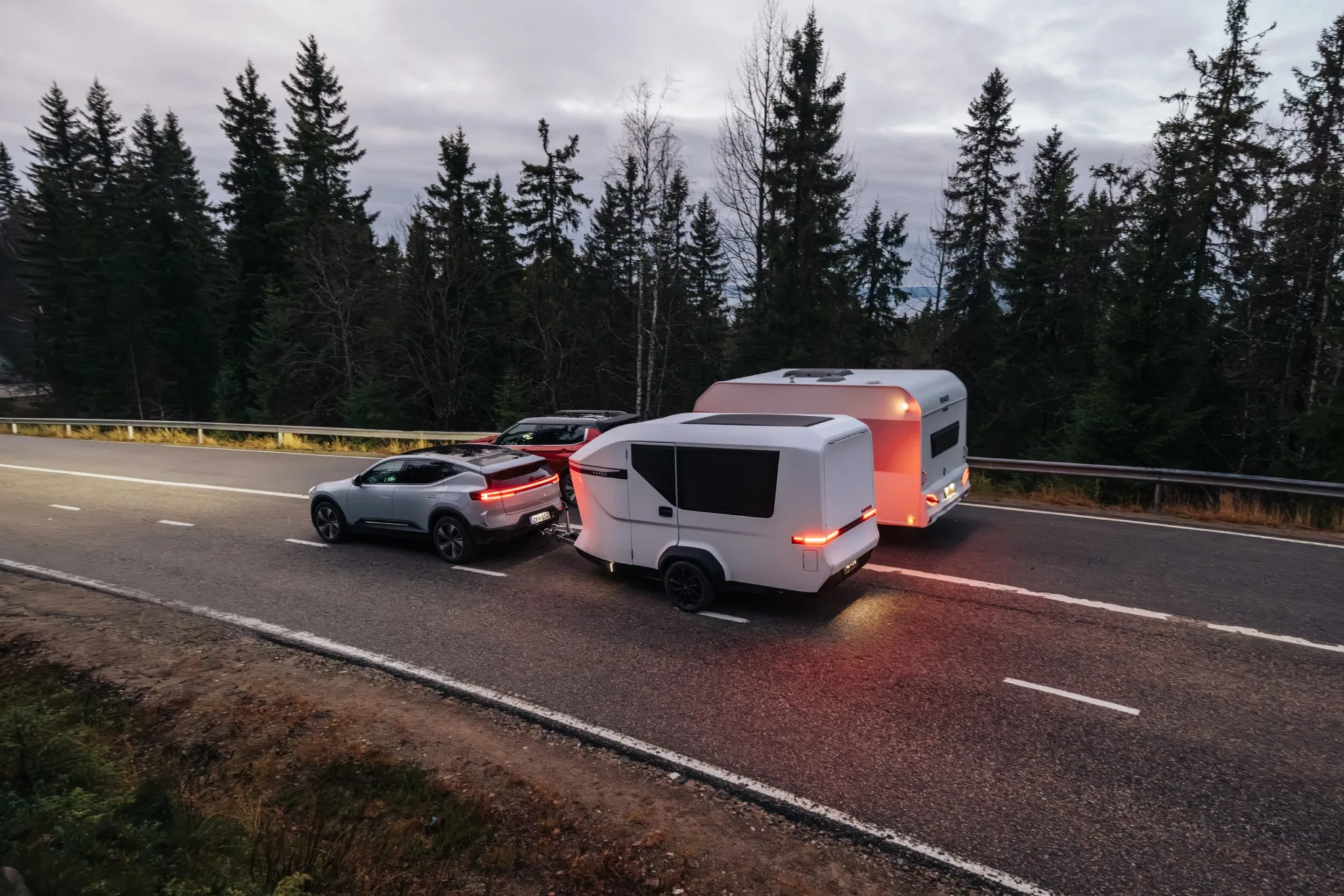
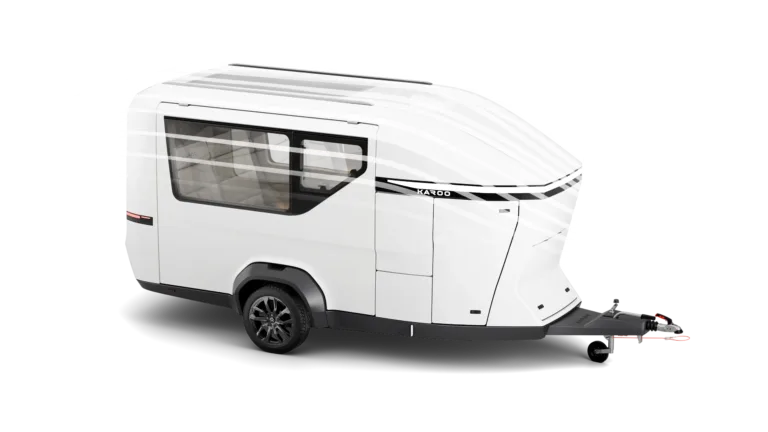
From the outset, the design of the Karoo Adventure Camper has prioritised towability and aerodynamic performance.
Based on the completed test programme, we can confirm that towing the Karoo Adventure Camper is significantly more economical than towing a conventional travel trailer.
The towing tests demonstrate that the Karoo Adventure Camper has achieved a meaningful competitive advantage in terms of the tow vehicle’s overall energy consumption.
Clear range advantage for electric vehicles
When towing the Karoo Adventure Camper, an electric vehicle achieves a substantially longer driving range compared to towing a conventional trailer.
When towing the Karoo Adventure Camper, the vehicle’s energy consumption increased by 9.4 kWh per 100 kilometres. By comparison, towing the reference trailer increased consumption by 20.1 kWh per 100 kilometres. Total consumption with the Karoo Adventure Camper was 29.3 kWh/100 km, whereas with the reference trailer the average consumption was 40 kWh/100 km.
When towing the Karoo Adventure Camper, the electric vehicle’s range was 36.5% greater than when towing the reference trailer. In absolute terms, this represents an additional 101 kilometres of range with the tested tow vehicle.

Halve the fuel consumption of an internal combustion vehicle
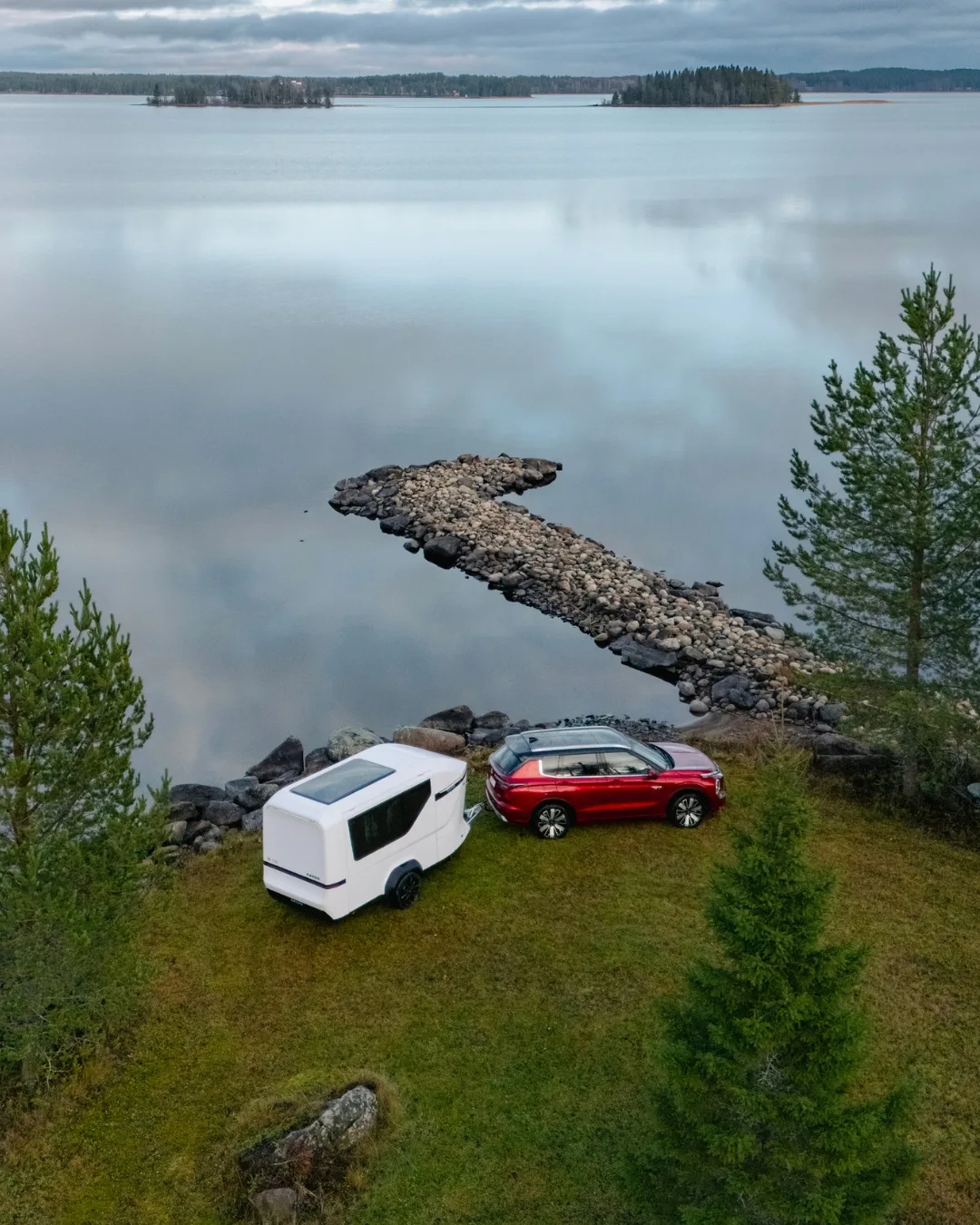
Design and preorderWhen towing the Karoo Adventure Camper with an internal combustion vehicle, fuel consumption increased by 3.3 litres per 100 kilometres. When towing the reference trailer, fuel consumption increased by 6.5 litres per 100 kilometres.
The Karoo Adventure Camper increased fuel consumption by 48.53%, whereas towing the reference trailer resulted in a 94.12% increase.

Enhanced energy efficiency through design
The tests confirm that the decisive factor in optimising the combined vehicle’s total energy consumption is the trailer’s aerodynamic design.
Although the Karoo Adventure Camper was 12% heavier than the reference trailer under test conditions, it placed significantly less load on the tow vehicle.




Test methodology
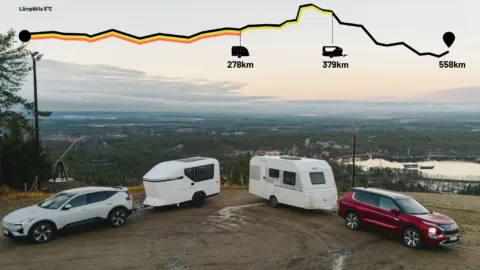
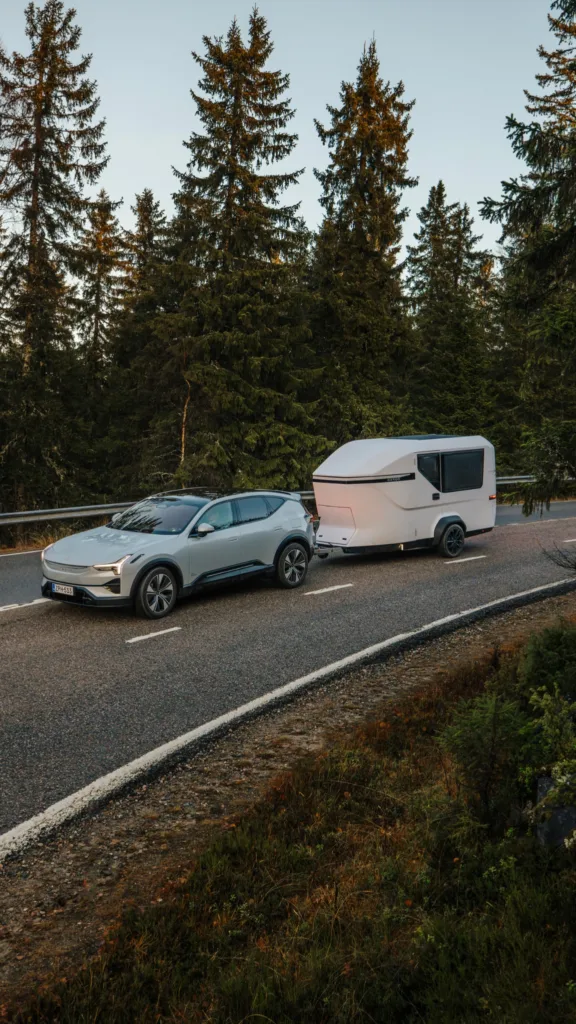
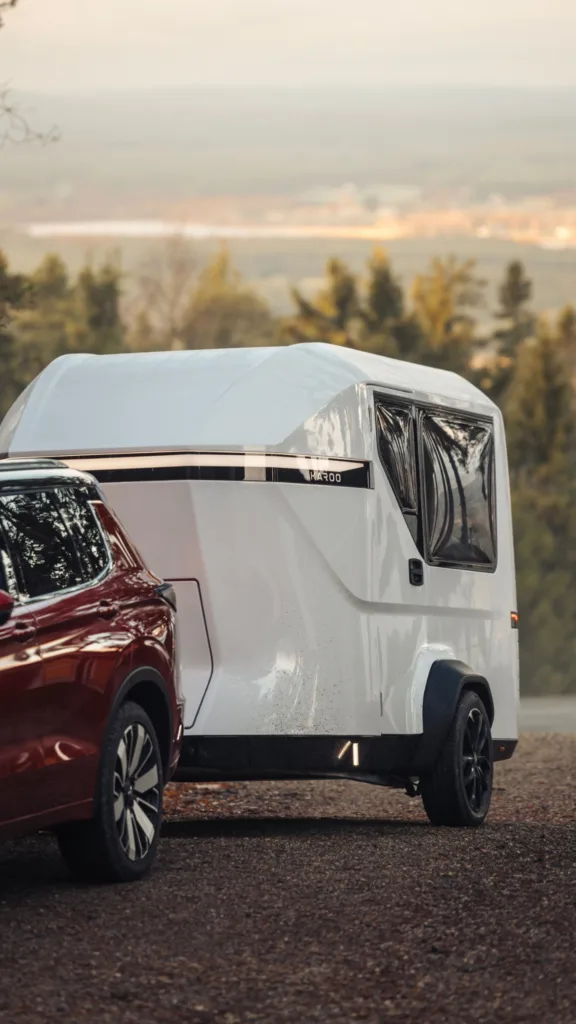
The test compared the impact of the Karoo Adventure Camper and a conventional travel trailer on the tow vehicle’s energy consumption.
The towing tests of the Karoo Adventure Camper were conducted under real-world driving conditions in Northern Finland in October 2025, in normal traffic. The test runs were completed without disruption from other traffic.
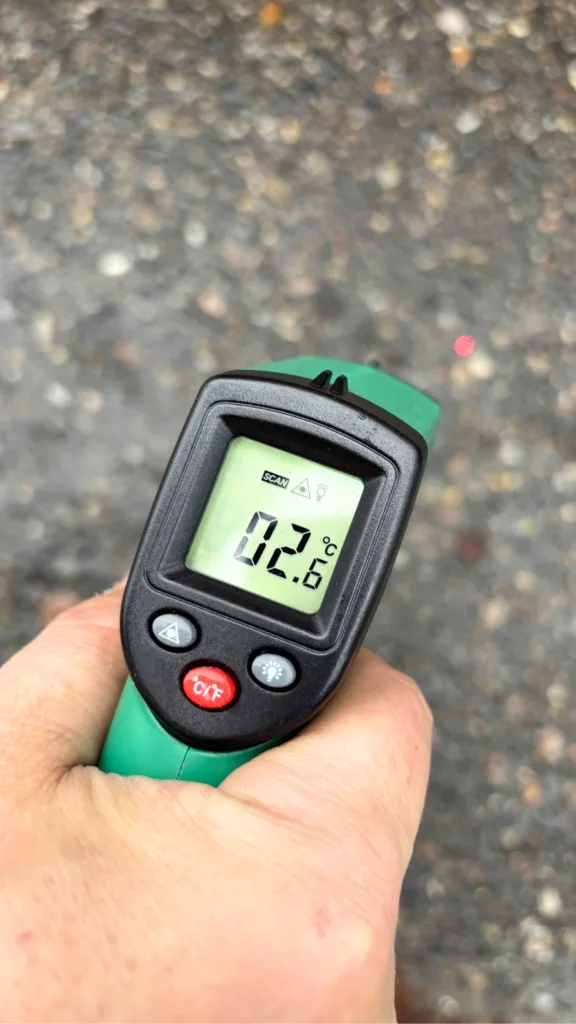
The reference trailer was a compact 2025 model travel trailer. It was 120 kilograms lighter (kerb weight) than the Karoo Adventure Camper. Weather conditions on the test day were overcast with occasional moderate rainfall. There was minimal wind, and the temperature ranged between 3–5°C. The route followed rolling terrain with a total elevation gain of 336 metres, consisting primarily of smaller inclines rather than long, steep climbs.
The tests confirm that, when towing a travel trailer, aerodynamic design is a significantly more influential factor in energy consumption than trailer mass.
Test equipment:
Karoo Adventure Camper
Knauss Sport 400 LK
Polestar 3 111 kWh
Mitsubishi Outlander PHEV Instyle